
How to Choose a Watch Explained: Key Factors to Consider
Choosing the perfect watch involves more than just picking a model that looks good. There are several critical factors to consider that will help you make an informed decision. Whether you're investing in your first luxury timepiece or upgrading your collection, understanding these key aspects will ensure you choose a watch that not only matches your style but also meets your needs.
1. Design and Style
The design of a watch is an essential factor in your choice. Watches come in various styles, from classic and elegant to sporty and modern. Your personal style plays a big role in this decision. If you're looking for something timeless, a classic dress watch might be the right fit for you. On the other hand, if you prefer a watch that complements an active lifestyle, consider options with robust designs like a diving or pilot watch. Explore more on watch designs and find a style that fits your personality.
2. Movement Type
Understanding the movement inside a watch is crucial for determining its performance and longevity. The two most common types of movements are mechanical and quartz. Mechanical movements are often favored for their craftsmanship and heritage, while quartz movements are known for their precision and reliability. If you're looking for something that blends both worlds, hybrid movements might be the ideal solution. Learn more about different types of movements and how they affect your watch’s performance.
3. Case Material
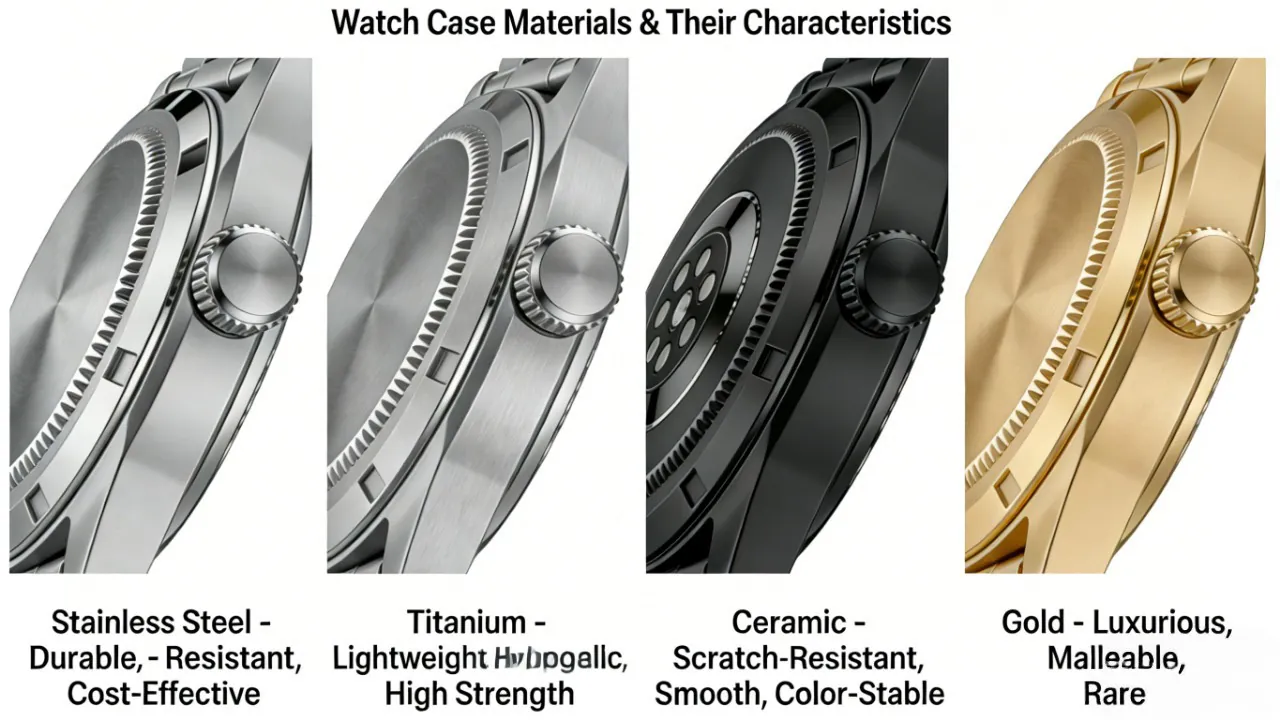
The material of the watch case affects both the watch's durability and its aesthetic appeal. Common materials include stainless steel, titanium, ceramic, and precious metals like gold. Stainless steel is a popular choice for its strength and resistance to corrosion, while titanium offers a lightweight option without compromising durability. Ceramic cases provide a modern look and are highly scratch-resistant. Choose a material that aligns with your lifestyle and preferences. Discover more about case materials to make the best choice for your watch.
4. Features and Complications
When it comes to features, you should consider what functions are important to you. Basic timekeeping may be all you need, but many modern watches come with additional complications, such as chronographs, date displays, moon phases, and even GPS or heart rate monitors. If you need a watch that serves multiple purposes, look for models with specific features that match your daily activities. Explore watches with advanced features to see which complications best suit your needs.
5. Brand and Price
The brand of the watch is another important factor to consider. Luxury watch brands such as Rolex, Patek Philippe, and Omega are known for their quality and heritage, and often have higher price points. However, there are also high-quality watches available at more accessible prices. It’s important to balance your budget with the level of craftsmanship and prestige you desire. Check out luxury vs. affordable watches to understand the differences and find a watch that meets both your budget and expectations.
Ultimately, choosing a watch is a personal decision that requires careful consideration of these key factors. Whether you're looking for a timepiece for everyday use, a special occasion, or an investment piece, understanding the fundamentals will help you make a choice that you'll be happy with for years to come.